
Introduction to Snorkelling at Pulau Perhentian
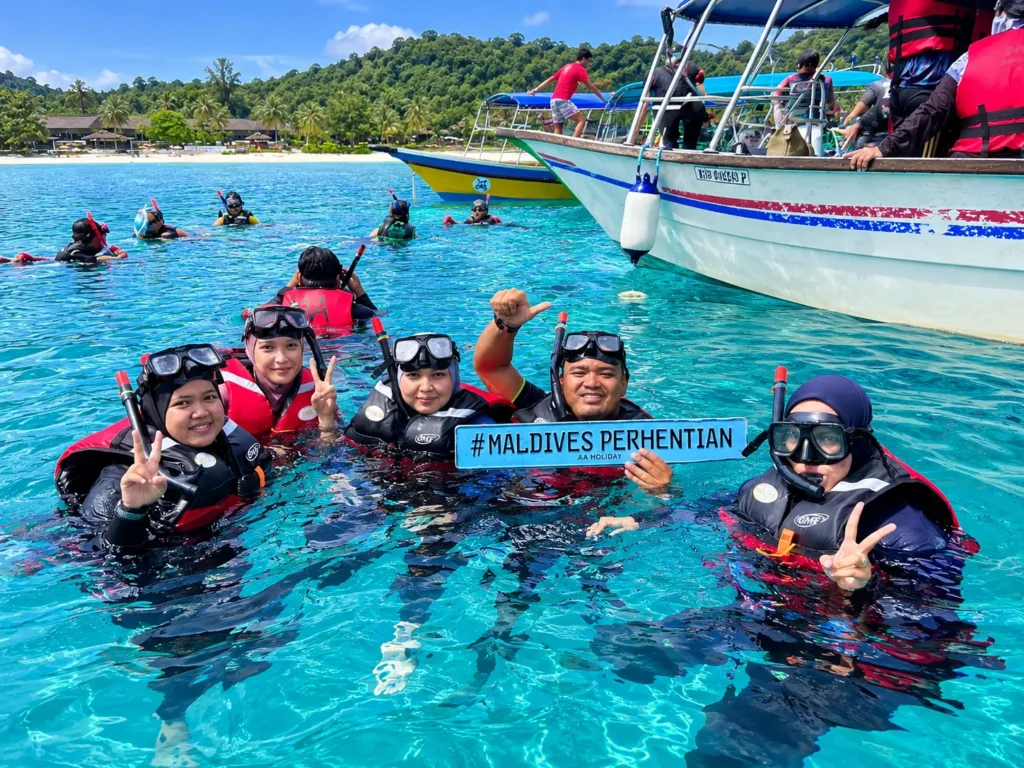
Snorkelling is one of the main marine activities at Pulau Perhentian, which is known for its tropical waters, coral reefs and diverse marine life. Visitors can join organised boat excursions to explore several popular snorkelling locations around the islands, where they may observe colourful reef fish, coral formations and sea turtles in their natural environment. Depending on the route and sea conditions, guests may also have opportunities to observe other marine species, including reef sharks.
The long snorkelling trip covers seven checkpoints: Pantai Tiga Ruang, Turtle Point, Nemo Point, Coral Point, Shark Point, Lata Air Berani and Kampung Nelayan. Each location offers a different experience, ranging from exploring underwater habitats to discovering local attractions and enjoying the natural surroundings of Pulau Perhentian.
The departure arrangements depend on the package booked. For daytrip participants, the boat usually departs from Kuala Besut Jetty at 9:00 AM. Guests staying at resorts on Pulau Perhentian who have booked the long snorkelling trip are generally picked up by boat at approximately 10:00 AM to begin the activity. Guests should confirm their exact departure or pickup arrangements with the tour operator before the scheduled trip.
A typical long snorkelling excursion takes approximately four to five hours, although the duration may vary depending on the package, sea conditions, the number of stops and the time spent at each checkpoint. The route and order of the stops may also change according to weather, currents, visibility and the boat operator’s arrangements.
Snorkelling Equipment and Safety Preparations
Before joining the excursion, guests should ensure that they have the necessary equipment and understand the safety requirements. Life jackets are provided in all available sizes for both adults and children. Guests should ensure that their life jackets fit securely and follow the guide’s instructions on how to wear them correctly. Those who are not confident swimmers should inform the guide before entering the water and wear their life jackets throughout the activity.
Standard snorkelling goggles are provided for adults only. Goggles are not provided for children. Parents or guardians must therefore bring suitable goggles for their children if they wish to participate in the snorkelling activity.
Guests with poor eyesight who require prescription snorkelling goggles may request a rental at an estimated cost of RM30 or more per person, subject to availability. The request must be communicated during the booking process. Guests should clearly describe their vision requirements, including whether they are short-sighted or long-sighted and, if known, their prescription strength for each eye. The operator should confirm equipment availability and the final rental price before the excursion.
Guests are encouraged to bring suitable swimwear, a towel, drinking water, sun protection and a waterproof bag for personal belongings. A change of clothes may also be useful after spending several hours in the water.
Important Notice: Goggles Rental and Loss Policy
Guests are responsible for taking care of all rented goggles throughout the excursion. A penalty of up to RM100 may apply for lost goggles. Guests should keep their rented equipment secure and return it to the operator after the activity. Please confirm the applicable rental and loss charges with the operator before the trip.
Before departure, all participants should listen carefully to the guide’s safety briefing and check that their equipment fits comfortably. Guests should enter and leave the water carefully, remain with their group and follow the guide’s instructions at every checkpoint.
Seven Snorkelling Checkpoints at Pulau Perhentian
Checkpoint 1: Pantai Tiga Ruang
Pantai Tiga Ruang is one of the coastal locations included in the Pulau Perhentian long snorkelling trip. The area offers visitors an opportunity to enjoy the natural coastal scenery and explore suitable underwater areas when visibility and sea conditions are favourable.
Guests may observe tropical fish and other marine life depending on the location visited and the conditions on the day.
Before entering the water, guests should pay attention to the guide’s safety briefing and ensure they understand the basic snorkelling techniques. Those who are confident in the water should still remain within the designated area and follow the guide’s instructions. Beginners and guests who are not confident swimmers should inform the guide beforehand so that suitable assistance and safety precautions can be arranged.
Guests should enter the water carefully, practise breathing through the snorkel and avoid making sudden movements that could cause panic. A properly fitted life jacket is recommended for guests who need additional support. Visitors should appreciate the marine environment without touching coral, disturbing fish or leaving rubbish behind.
Checkpoint 2: Turtle Point
Turtle Point is a well-known snorkelling location where guests may have the opportunity to observe sea turtles swimming underwater. Seeing a turtle in its natural habitat can be one of the highlights of a snorkelling trip because it allows visitors to appreciate these marine animals in their own environment.
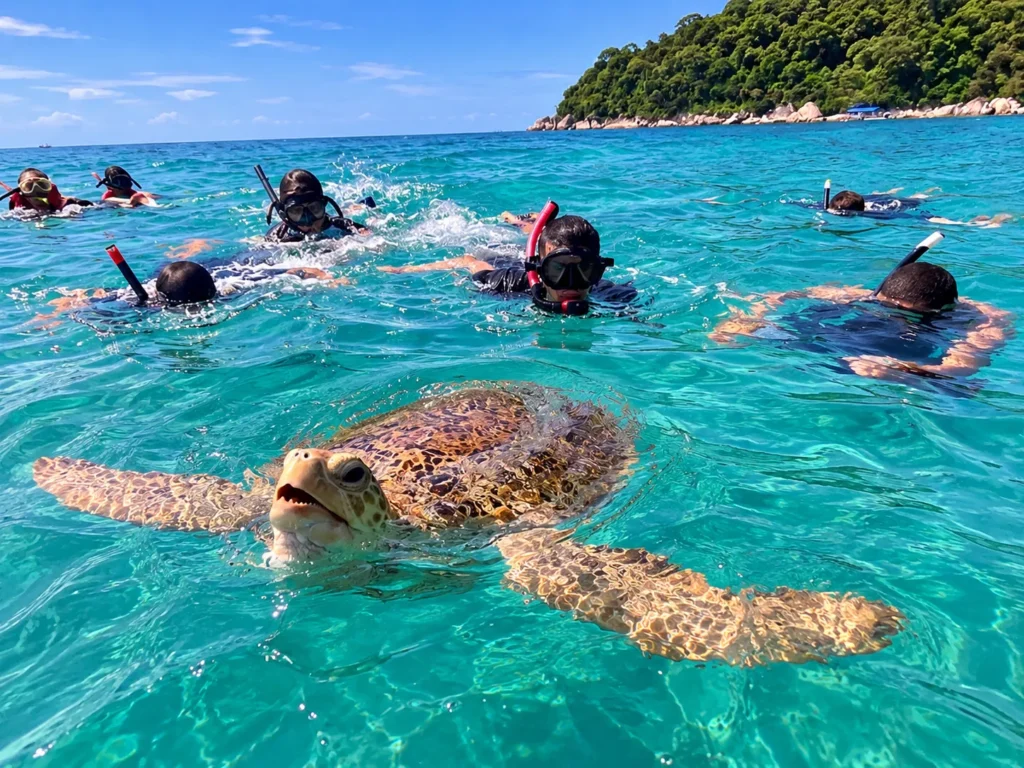
Wearing a properly fitted snorkelling mask helps guests see underwater more clearly and observe marine life without needing to lift their faces out of the water repeatedly. Guests should ensure that their masks fit securely before entering the sea and ask their guide for assistance if water continues to enter the mask.
When a turtle is spotted, guests should remain calm and maintain a respectful distance. They must not touch, chase, surround or obstruct the turtle’s movement. These precautions help prevent unnecessary stress to the animal and allow it to swim freely.
Although Turtle Point provides an opportunity to look for sea turtles, sightings cannot be guaranteed because the animals move freely in their natural habitat. Guests should enjoy the underwater scenery and follow the guide’s directions throughout the stop.
Checkpoint 3: Nemo Point
Nemo Point is associated with clownfish, which are commonly recognised by their orange bodies and distinctive white markings. These small tropical fish are often associated with sea anemones, making the area interesting for visitors who want to observe marine life at close range.
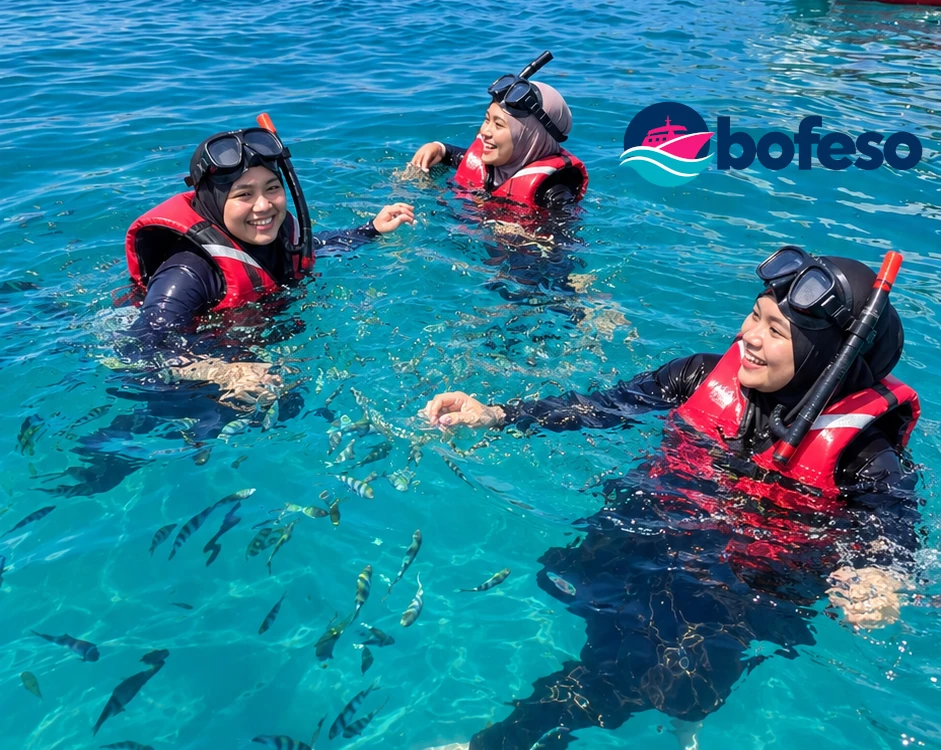
Guests can explore the underwater surroundings at a comfortable pace and look for clownfish and other small reef fish. The location can be particularly enjoyable for families and visitors interested in marine photography. However, children should always be supervised by their parents or guardians, and their swimming ability should be considered before they enter the water.
There are also several food stalls around the Nemo Point area where visitors may be able to purchase light meals and refreshments. These facilities can be convenient for guests who want something to eat during their visit, depending on the operating hours and availability on the day.
Visitors should keep the surrounding area clean and dispose of food packaging properly. Fish and other marine animals should not be disturbed, and guests should avoid touching sea anemones or nearby coral formations.
Checkpoint 4: Coral Point
Coral Point offers an opportunity to appreciate the coral formations and tropical fish found in the waters surrounding Pulau Perhentian. Depending on underwater visibility and local conditions, guests may see different coral structures and a variety of reef fish moving around the marine habitat.
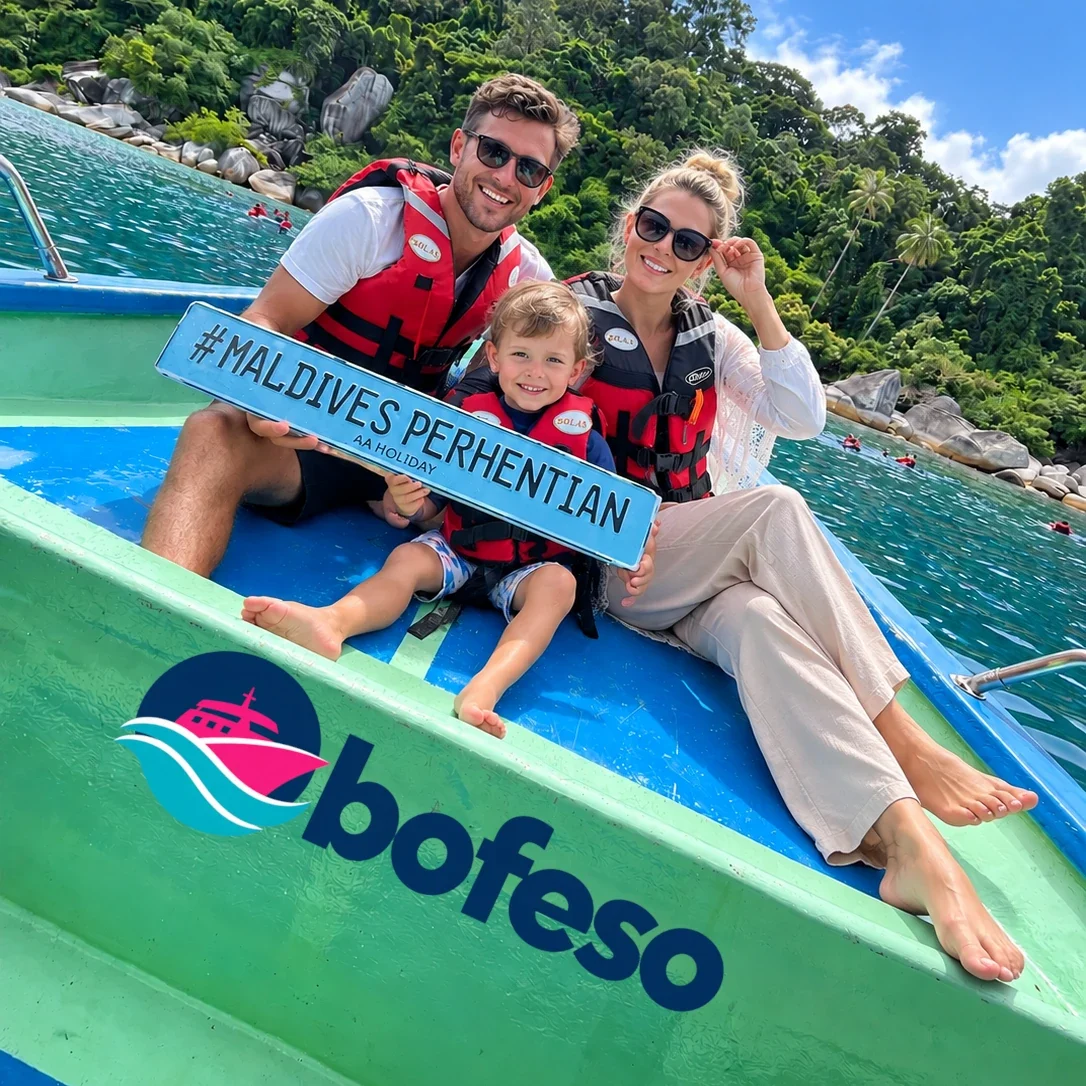
Visitors should snorkel slowly and maintain good buoyancy to avoid accidentally damaging the reef. They must not stand on, step on or touch coral because even brief contact can damage these fragile organisms. Guests should also avoid collecting shells or removing any marine organisms from their natural habitat.
Some visitors may be interested in bringing bread to attract fish for observation. However, feeding fish should only be done if the tour operator and relevant local rules permit it. Feeding marine wildlife can affect natural feeding behaviour and water quality, so guests
should follow the guide’s instructions and avoid introducing food into the marine environment where feeding is prohibited.
Guests should remain aware of surrounding boat activity, follow the designated snorkelling boundaries and maintain a safe distance from other snorkellers. Protecting the coral reef helps preserve the underwater environment for future visitors.
Checkpoint 5: Shark Point
Shark Point is a snorkelling destination where guests may have the opportunity to observe reef sharks and other marine species in their natural environment. Seeing a shark underwater can be an exciting experience and provides an opportunity to learn more about the marine biodiversity of Pulau Perhentian.
Guests should remain with their group, listen to the guide’s instructions and avoid chasing, touching or attempting to feed marine animals. If a shark or another large marine animal appears nearby, visitors should remain calm, avoid sudden attempts to approach it and follow the guide’s directions.
Sea conditions, currents and underwater visibility can change throughout the day. The guide or boat operator should determine whether Shark Point is suitable for snorkelling during the excursion. If conditions are unfavourable, the stop may be changed or omitted for safety reasons.
Shark sightings are not guaranteed, as marine animals move freely through their natural habitats. Guests should appreciate the experience responsibly and remember that maintaining a safe distance from wildlife is essential.
Checkpoint 6: Lata Air Berani
Lata Air Berani offers a different experience from the underwater snorkelling locations. The area is known for a natural spring with cool, refreshing water, providing visitors with an opportunity to cool down during their island excursion.
Guests may use a suitable scoop to collect water for bathing or rinsing themselves, where permitted. The cool spring water can provide a refreshing break after spending time in the sea and under the tropical sun.
Visitors must take special care to protect the natural water source. They should avoid entering the spring directly and must not bathe in it or undertake activities that could pollute the water. Soap, shampoo, sunscreen, food waste and other contaminants should be kept away from the spring. Guests should also avoid throwing rubbish into the surrounding area.
Respecting these precautions helps preserve the cleanliness of the natural spring and ensures that other visitors can continue to appreciate this feature of Pulau Perhentian. Guests should follow any additional instructions provided by their guide or local authorities.
Checkpoint 7: Kampung Nelayan
Kampung Nelayan, also known as Fishermen’s Village, offers visitors an opportunity to experience the local community and learn about everyday life on Pulau Perhentian. In addition to the island’s beaches and marine attractions, the village provides a glimpse into the livelihoods and traditions of residents, including the role of fishing and local tourism in the community.
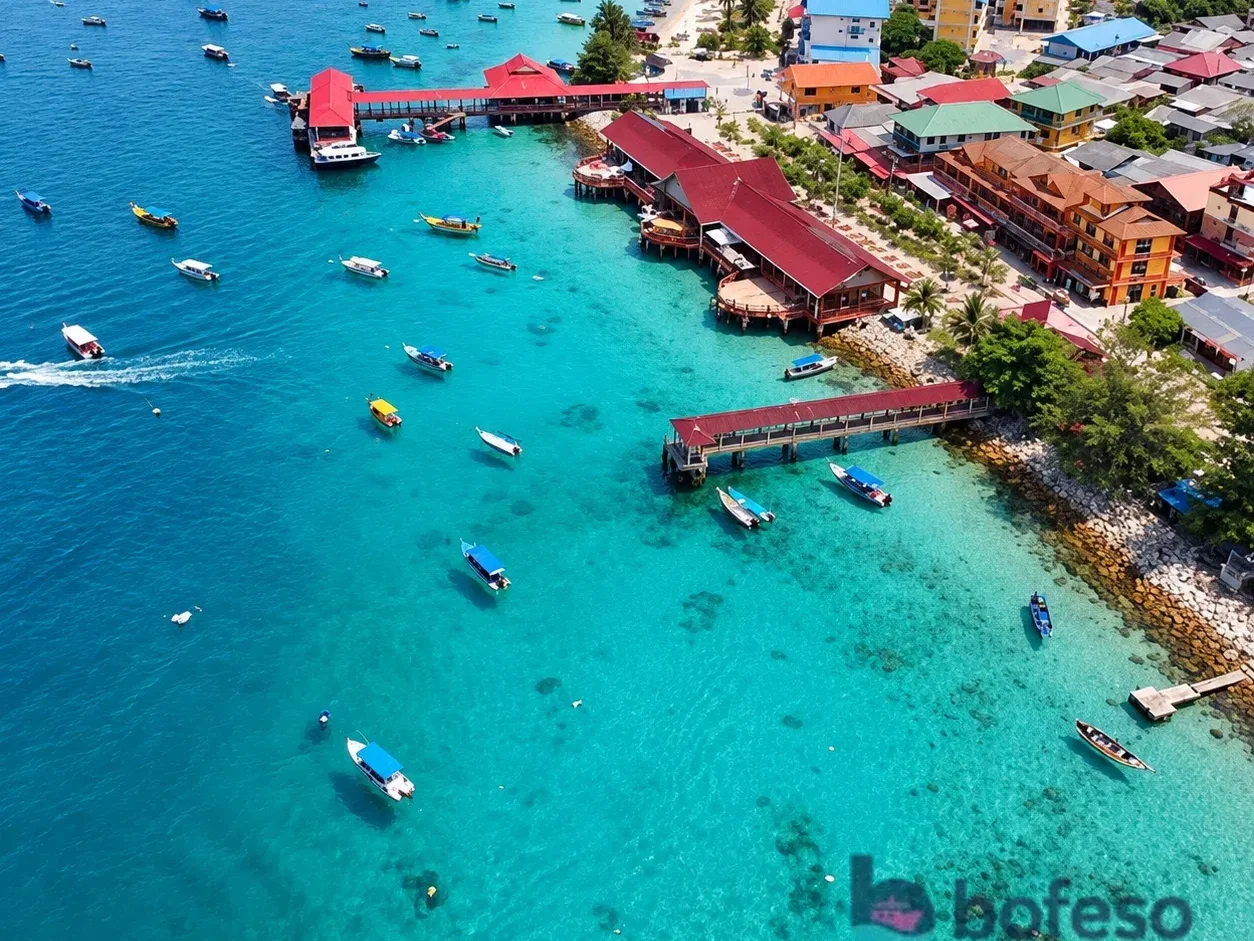
Depending on the boat itinerary, guests may stop at or visit the village as part of the long snorkelling excursion. Visitors can explore designated public areas, observe the surrounding community and appreciate the local atmosphere.
Kampung Nelayan also has several restaurants where tourists can purchase local Malaysian dishes and enjoy a meal. Food options and operating hours may vary, so visitors should check what is available during their visit. This can be a convenient opportunity to enjoy local cuisine and take a break before continuing with the day’s activities.
Guests should respect the privacy of local residents, ask permission before taking close-up photographs of people and avoid entering private properties without consent. They should also dispose of rubbish responsibly and behave considerately around homes, businesses and public spaces.
General Information for Guests
Departure Times and Duration
The departure arrangements depend on the package booked.
For daytrip participants, the boat usually departs from Kuala Besut Jetty at 9:00 AM. For guests staying at resorts on Pulau Perhentian who have booked the long snorkelling trip, boat pickup is generally scheduled for approximately 10:00 AM.
The long snorkelling excursion usually takes around four to five hours, although the actual duration may vary depending on the package, the number of stops, weather conditions, sea currents and time spent at each checkpoint. Guests should confirm the expected finishing time and exact meeting arrangements with the operator before departure.
The order of the seven checkpoints may change according to the route selected and prevailing sea conditions. Certain stops may be replaced or omitted if they are considered unsuitable or unsafe on the day.
Swimming Ability and Safety
Guests should be honest about their swimming ability before participating in the activity. Those who are not confident swimmers must inform the guide before entering the water. A properly fitted life jacket should be worn when required, and guests should never snorkel alone or move away from the group without permission.
Beginners should pay attention to the briefing, practise using the equipment under guidance and enter the water only when they feel comfortable. Anyone who feels tired, anxious or unwell should inform the guide immediately.
Guests should also follow instructions regarding boat boarding, entering and leaving the water, and moving between snorkelling locations. These precautions help reduce risks during the excursion.
Equipment and Booking Requirements
Guests should check their snorkelling equipment before the trip begins. Children must bring their own goggles because goggles are not provided for them. Guests who require goggles
suitable for poor eyesight should request a rental during booking and clearly describe their vision requirements.
The estimated rental cost for goggles for guests with poor eyesight is RM30 or more per person, subject to availability and confirmation by the operator. Guests should not assume that prescription equipment will be available without advance notice.
It is also advisable to bring swimwear, a towel, drinking water, sun protection and a waterproof bag for valuables. Personal belongings should be secured during boat transfers, and unnecessary valuables should be left at the accommodation.
Environmental Responsibility
The coral reefs, fish, turtles and other marine organisms are important parts of Pulau Perhentian’s ecosystem. Visitors should help protect this environment by avoiding contact with coral, refraining from disturbing marine animals and following local restrictions on feeding wildlife.
All rubbish should be taken back to shore and disposed of properly. Guests should also avoid polluting the natural spring at Lata Air Berani and respect the local community when visiting Kampung Nelayan.
By practising responsible tourism, visitors can help maintain the beauty of Pulau Perhentian and protect its natural attractions for future generations.
Conclusion
The long snorkelling trip at Pulau Perhentian offers guests an opportunity to explore seven checkpoints, each providing a different experience, from searching for sea turtles and clownfish to observing coral reefs, looking for reef sharks and discovering local attractions.
With daytrip departures generally scheduled for 9:00 AM from Kuala Besut Jetty and resort guest pickups at approximately 10:00 AM, visitors should confirm their arrangements before the excursion. Proper preparation is essential, particularly for children and guests who require goggles suitable for poor eyesight.
By following safety instructions, respecting marine wildlife, protecting coral reefs and keeping natural areas clean, guests can enjoy a memorable snorkelling experience while contributing to the conservation of Pulau Perhentian’s marine and coastal environment.